Tag: visual identity

  • AI Is Making Personal Brands More Valuable, Not Less.

    It’s turning individuals into companies.

    One person can now write, design, research, market, build and publish at a scale that would have required a team not so long ago.

    That’s exciting.

    But it also creates a new challenge.

    If everyone suddenly has access to similar capabilities, how do people decide who to trust?

    Not by the tools.

    By the person behind them.

    Their thinking.
    Their perspective.
    Their judgement.
    Their reputation.

    The more AI democratises capability, the more valuable recognisability becomes.

    I’ve been thinking about this while helping a growing number of ambitious individuals and organisations become strategically clearer, visually unmistakable and harder to forget.

    Years ago I designed the personal brand and website for Professor Tanya Byron.

    The challenge wasn’t visibility. People already knew who she was.

    The challenge was creating a clear, consistent and recognisable identity around her expertise, reputation and public profile.

    Looking back, it feels like an early example of what we’re now calling personal branding.

    The tools have changed dramatically since then.

    The value of trust hasn’t.

    Perhaps that’s why personal brands are becoming more important rather than less important.

    As AI makes capability more accessible, reputation becomes more valuable.

    As content becomes easier to create, perspective becomes more valuable.

    As more people gain access to the same tools, recognisability becomes more valuable.

    People don’t just choose skills.

    They choose who they trust.

    That’s why I suspect we’ll see more individuals investing in their personal brands with the same level of strategic thinking, clarity and consistency once associated with companies.

    Not because they’re chasing attention.

    Because trust still matters.

    And trust has always had a human face.
  • AI is flattening creative skills, but judgement remains the value.

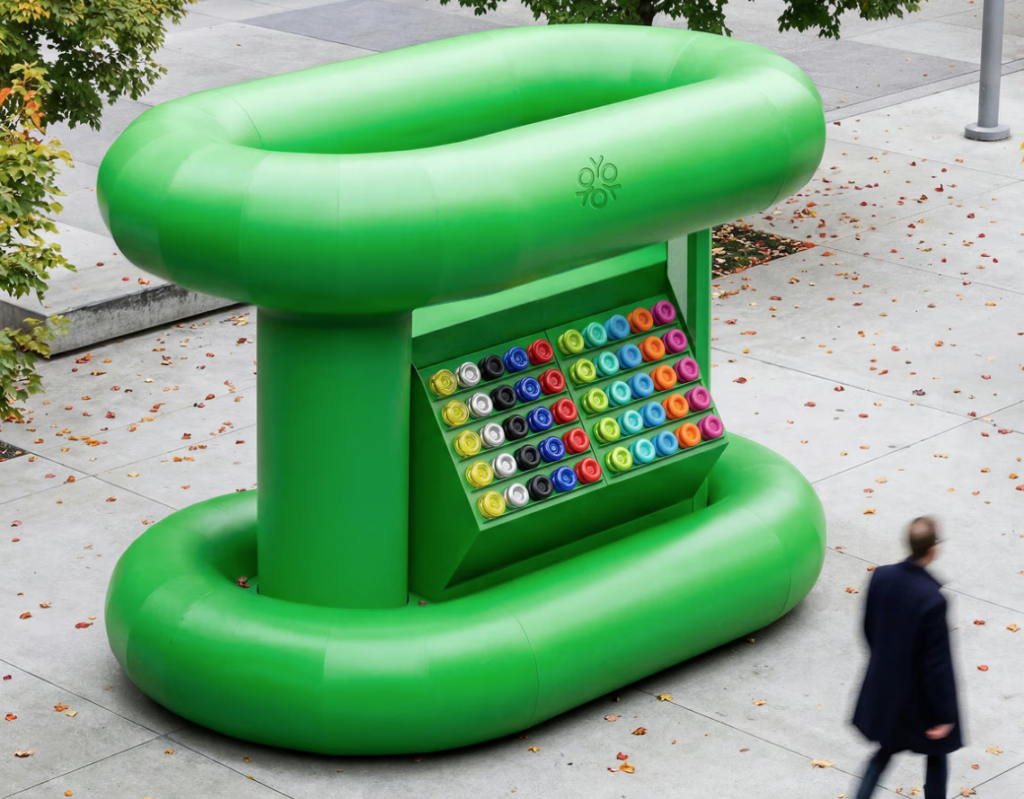
    Sceptical, fascinated and ultimately convinced, that the YOYOYO project from Google DeepMind and PORTO ROCHA is (perhaps inevitably) reinforcing the way I now approach writing and design.

    What stands out isn’t the AI. It’s the thinking.

    Sketches become concepts > Concepts become options > Options become decisions.

    The AI helps accelerate exploration, but creative judgment is still doing the heavy lifting.

    That’s quite close to how I use AI myself. More and more often, I’ll use it to rapidly visualise and develop ideas from my own pencil sketches and notes, and within BreifWrite, my AI-assisted pre-brief tool designed to bring clarity before the creative work begins.

    It speeds things up. But the quality of the outcome still depends on the quality of the thinking that went into it.

    Worth a look: https://www.yoyoyo.ai/

  • I notice the small brand details that some businesses are too busy to notice.

    I’m slightly triggered by a lack of small brand details.
    It’s useful for my clients.

    I received three emails from different people in the same company this week.
    It triggered me.

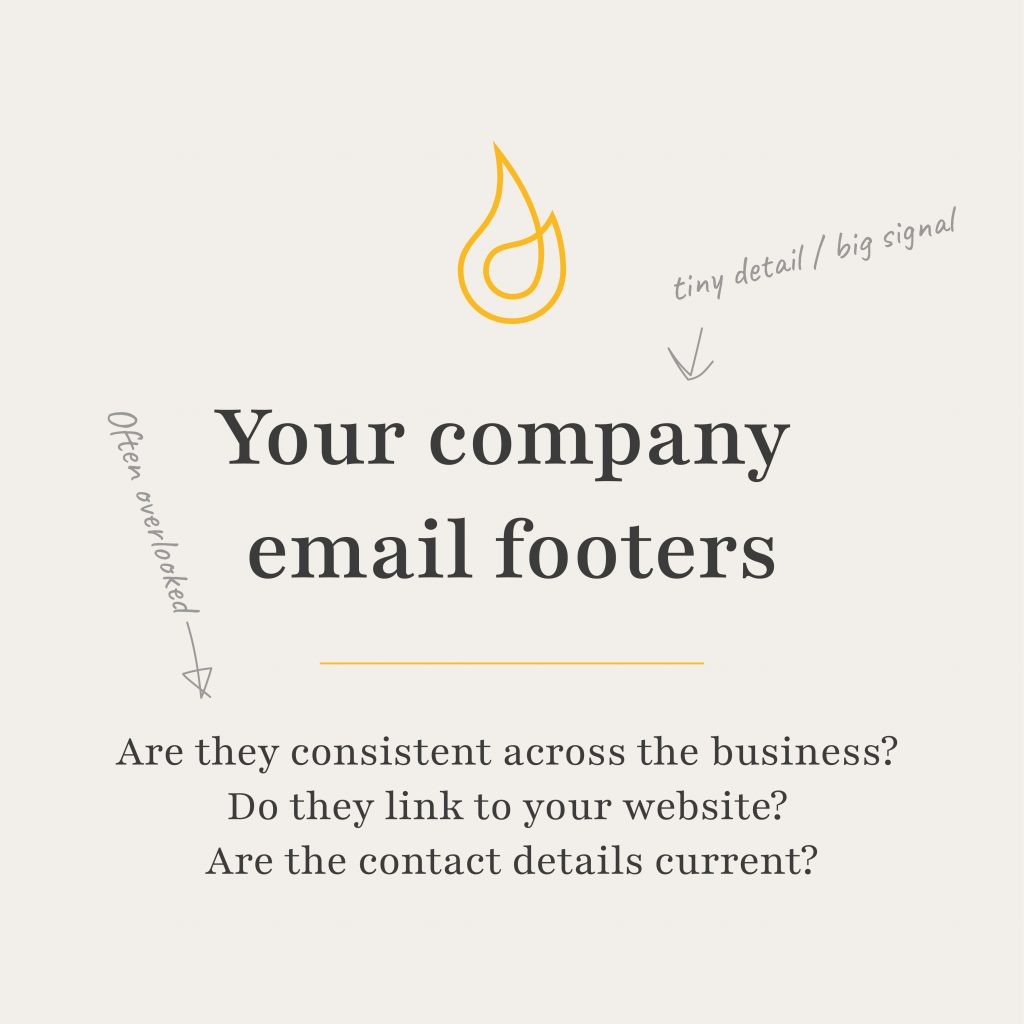
    Each email had a completely different footer design. Different layouts, different information and varying levels of detail.

    It looked sloppy and didn’t inspire much trust. Somewhere in the back of my mind, a small flag was raised; if they can’t look after their own brand properly at this level, how much care and attention would I receive as a customer?

    So how does a business end up with multiple versions of its own identity being sent out every day without anyone noticing?

    Email footers are probably one of the smallest parts of a brand, yet they’re also one of the most frequently seen.

    Usually, it’s not because people don’t care.
    It’s because everyone is busy doing the actual work.

    I’ve been thinking about this a lot while refining Signal’s new positioning and updating my own communications this week.

    Small brand detials shape perception.

    Here are three quick brand wins you can check yourself in under 10 minutes:

    Your company 
email footers
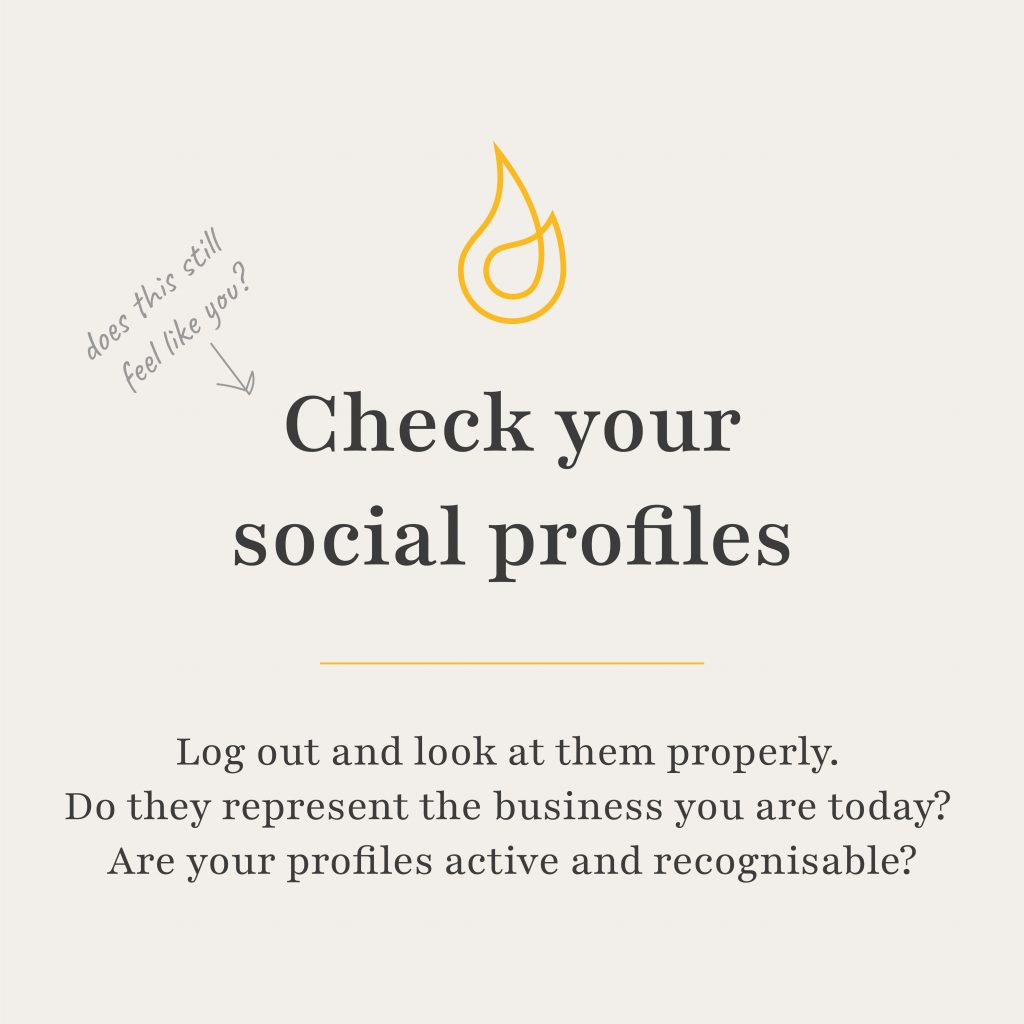
    Check your
social profiles
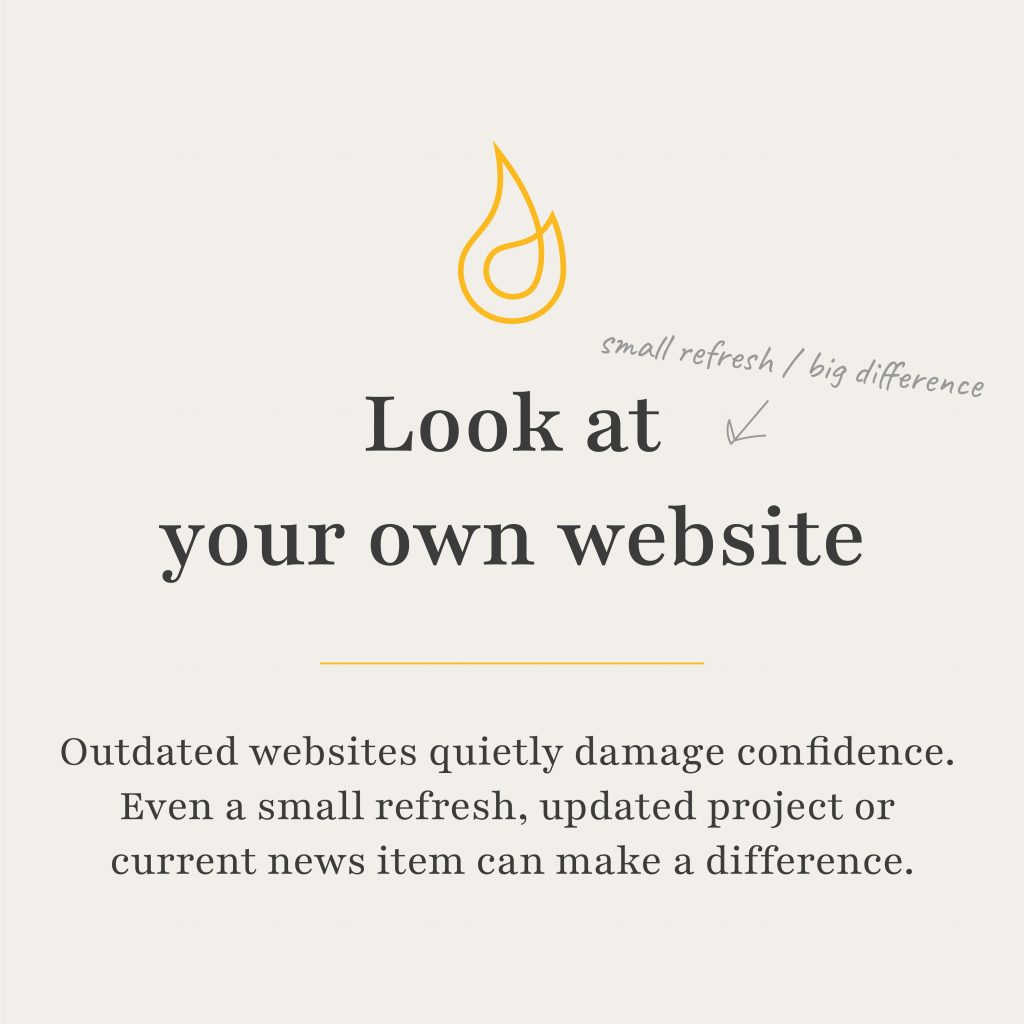
    Look at
your own website

    People often decide how much trust to place in a business long before they make contact.

    Looking after your own brand signals that you’ll probably look after your customers too.

    Consistency builds trust quietly over time and I suspect most businesses could improve at least one of these in under 10 minutes.